GraphQL Day@ FOST NYC
hosted at
New York City
GraphQL Day is a one-day community event hosted at FOST (Future of Software Technologies, think federation of conferences!).
It is an opportunity to connect with other API ecosystems, meet new and seasoned GraphQL users, educate about GraphQL, share best practices, and have fun!
The event is open to everyone — whether you run GraphQL in production or are evaluating it for your next project.
Hear how teams actually use GraphQL — what worked, what didn't, and what they'd do differently.
FOST brings together GraphQL, AsyncAPI, OpenAPI, and JSON Schema communities. Learn across boundaries.
Meet library maintainers and core contributors. Ask questions, report bugs, discuss roadmaps.
Hands-on sessions to try new tools and techniques with guidance from the people who build them.
A focused single-day format means everyone's in the same room. Easy to meet people.
All speakers get a free conference ticket. Submit a talk and share what you've learned.
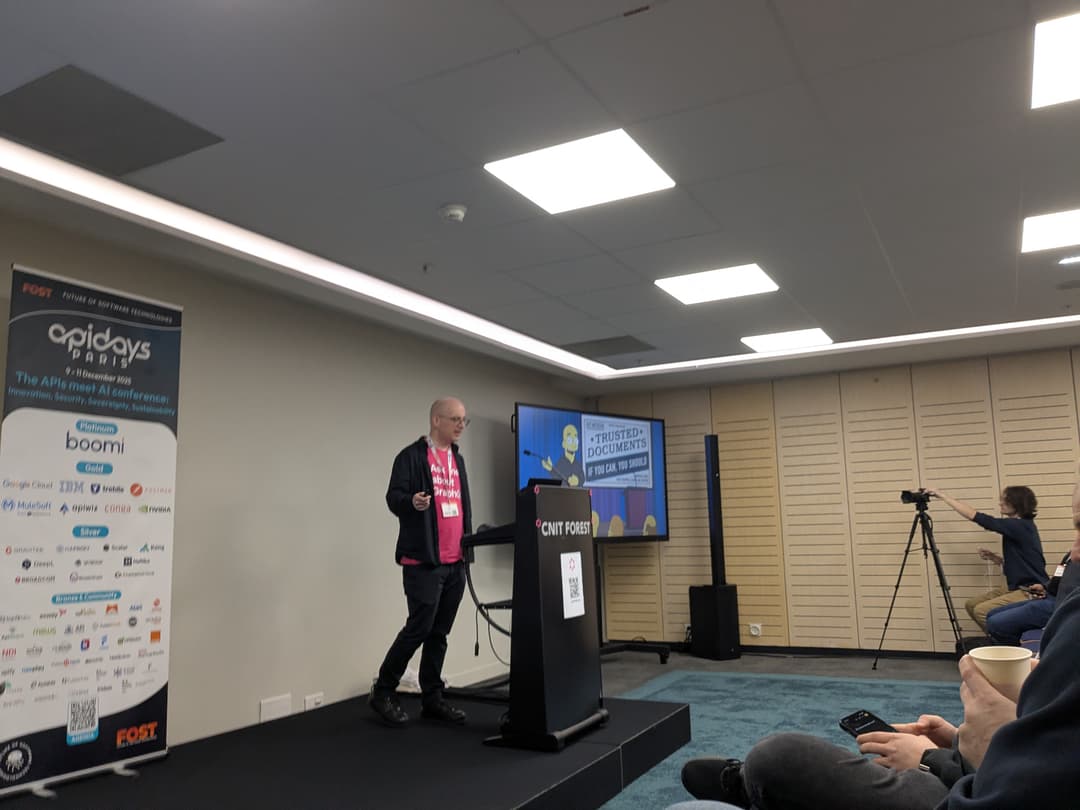
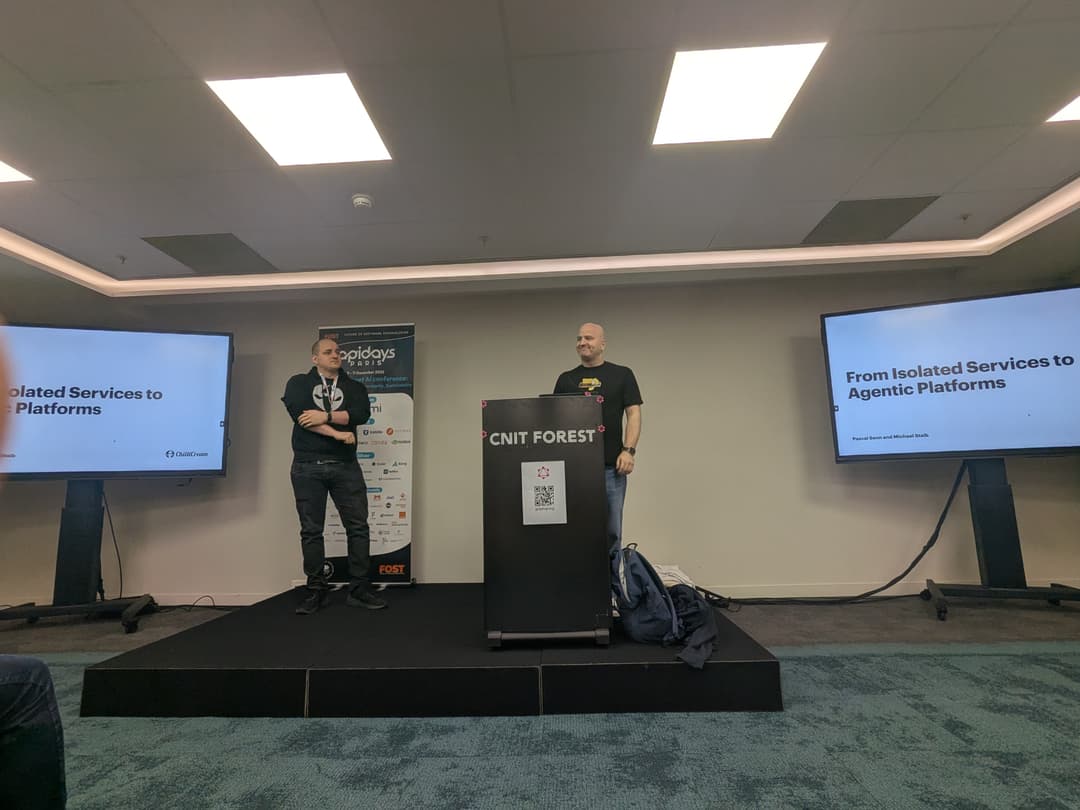
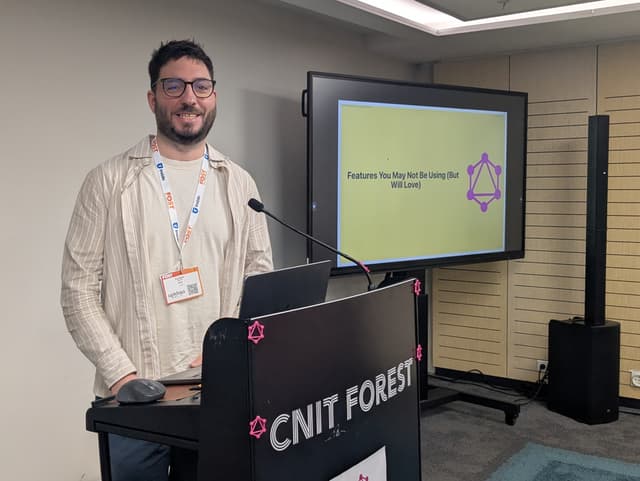
GraphQL Spec contributors, engineers from Apollo, ChilliCream, The New York Times, and more shared the stage at GraphQL Day Paris 2025.

GraphQL TSC, GraphQL Foundation

Co-Founder, ChilliCream

Head of R&D, Keenethics

Android Engineer, Apollo GraphQL
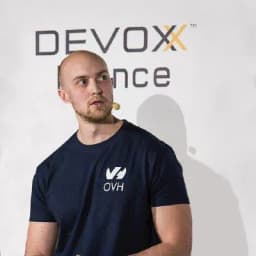
Sr Staff Engineer, Apollo GraphQL

Co-founder & CTO, Pennylane
GraphQL TSC, GraphQL Foundation
Co-Founder, ChilliCream
Head of R&D, Keenethics
Android Engineer, Apollo GraphQL
Sr Staff Engineer, Apollo GraphQL
Co-founder & CTO, Pennylane
GraphQL TSC, GraphQL Foundation
Co-Founder, ChilliCream
Head of R&D, Keenethics
Android Engineer, Apollo GraphQL
Sr Staff Engineer, Apollo GraphQL
Co-founder & CTO, Pennylane
GraphQL TSC, GraphQL Foundation
Co-Founder, ChilliCream
Head of R&D, Keenethics
Android Engineer, Apollo GraphQL
Sr Staff Engineer, Apollo GraphQL
Co-founder & CTO, Pennylane

Lead Engineer, bol

CEO, WunderGraph

COO, ChilliCream

Frontend Developer & Designer

Android Engineer, The New York Times

Staff Engineer, Apollo GraphQL
Lead Engineer, bol
CEO, WunderGraph
COO, ChilliCream
Frontend Developer & Designer
Android Engineer, The New York Times
Staff Engineer, Apollo GraphQL
Lead Engineer, bol
CEO, WunderGraph
COO, ChilliCream
Frontend Developer & Designer
Android Engineer, The New York Times
Staff Engineer, Apollo GraphQL
Lead Engineer, bol
CEO, WunderGraph
COO, ChilliCream
Frontend Developer & Designer
Android Engineer, The New York Times
Staff Engineer, Apollo GraphQL
GraphQL Day is organized by the community for the community and hosted at FOST (Future of Software Technologies).
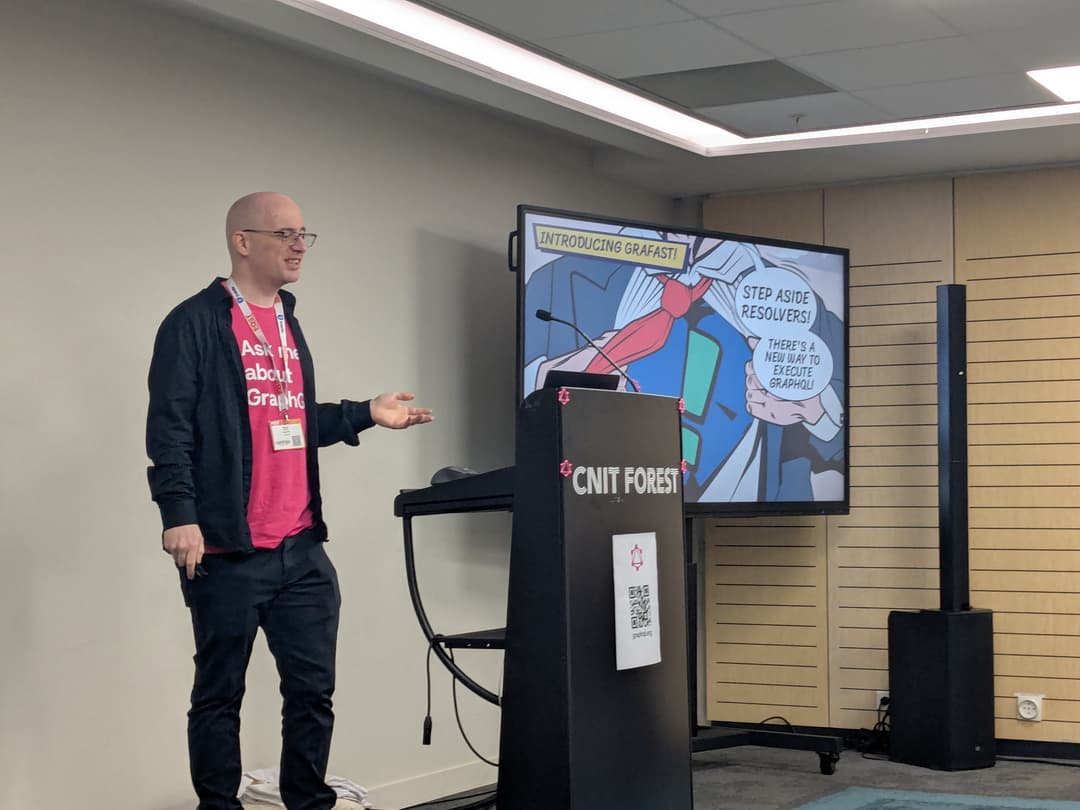
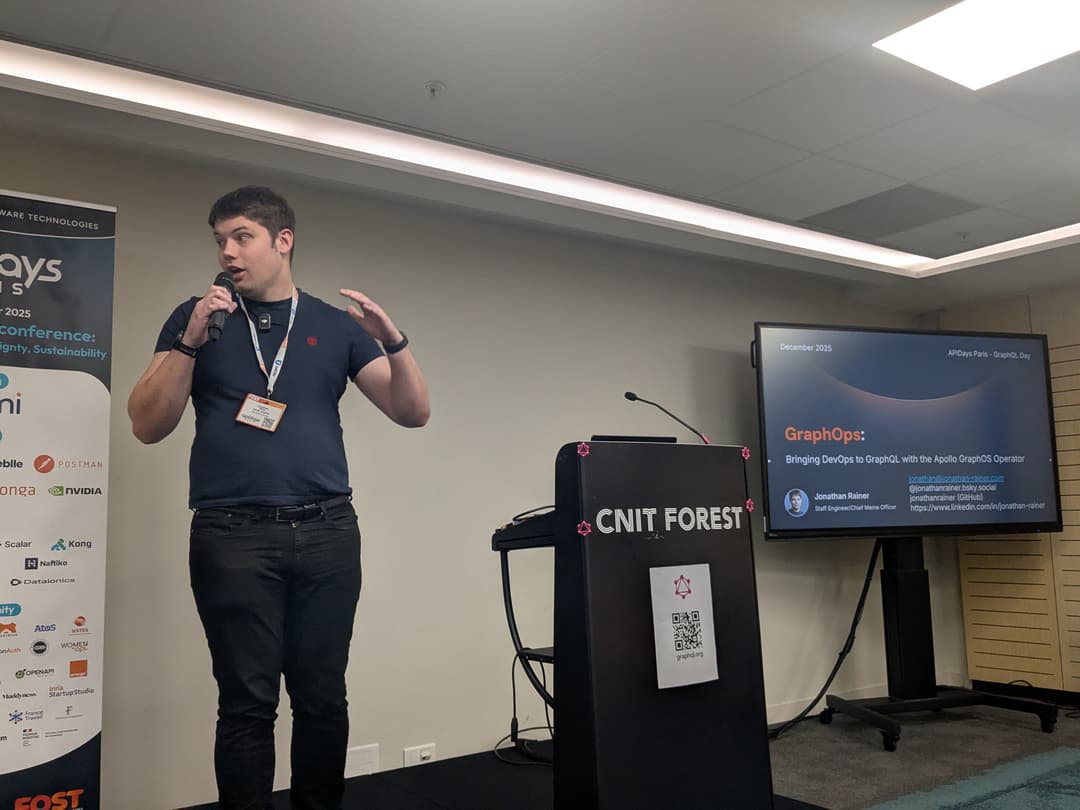
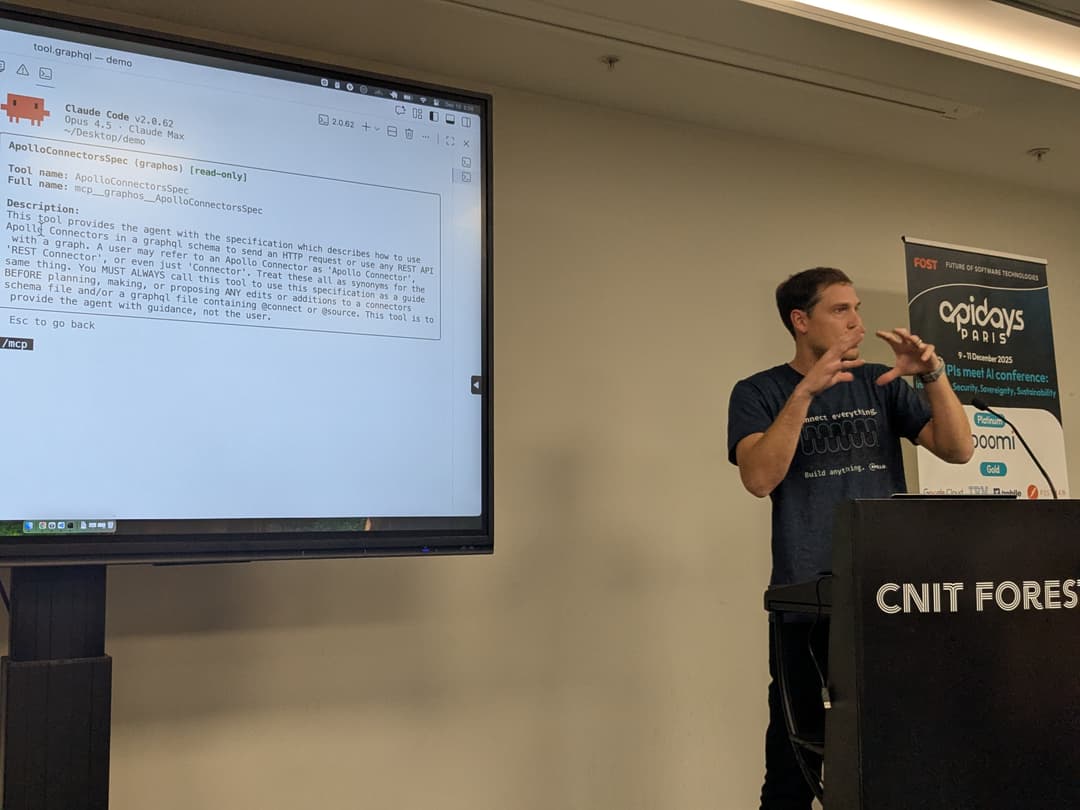
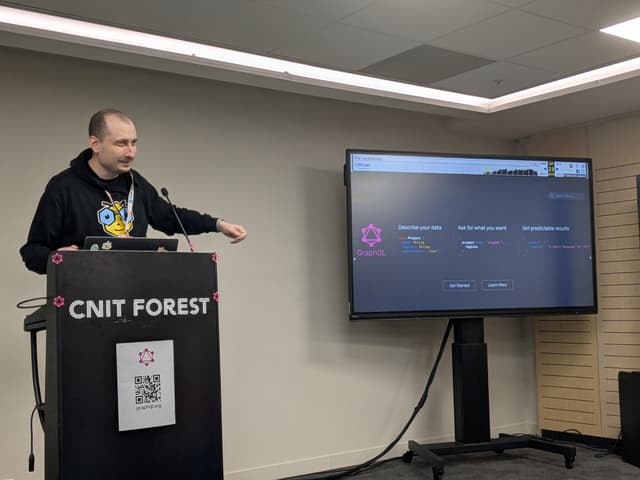
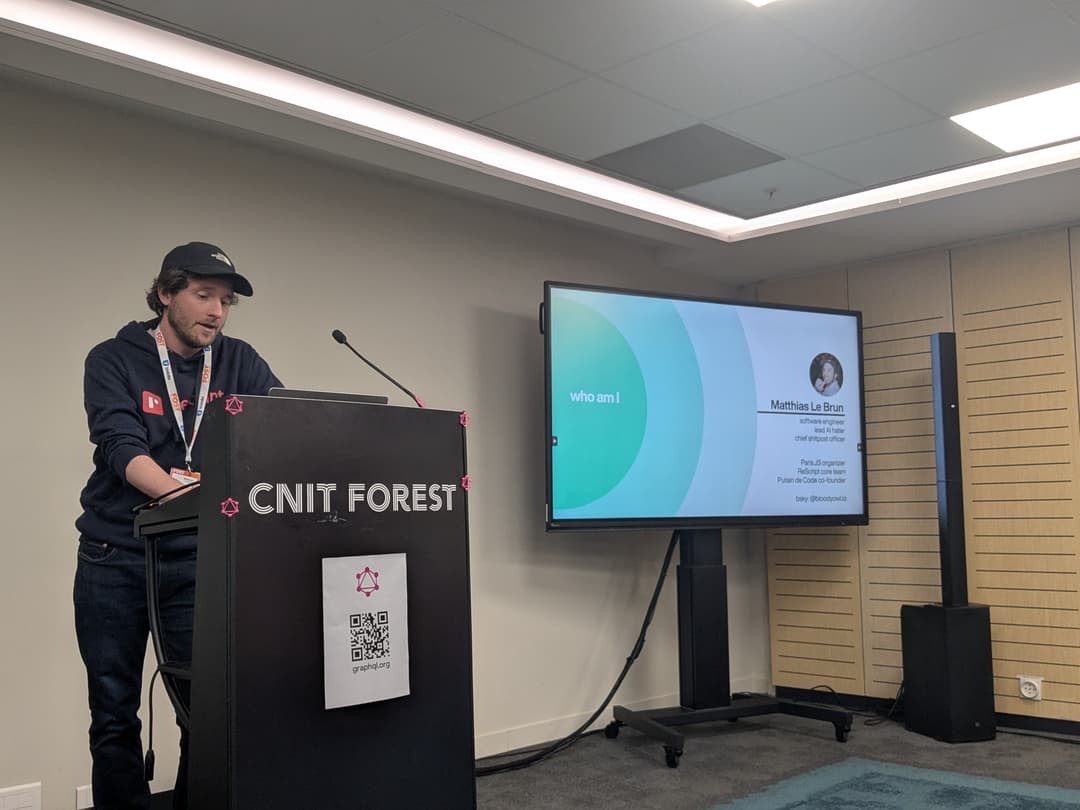
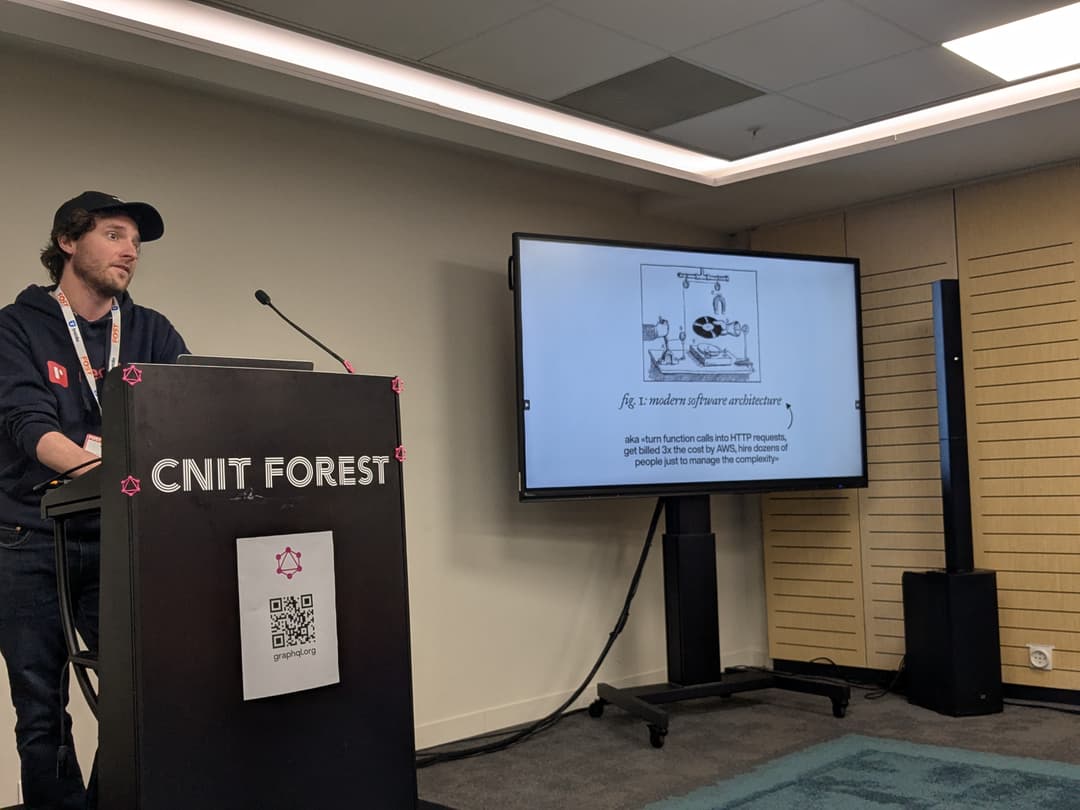
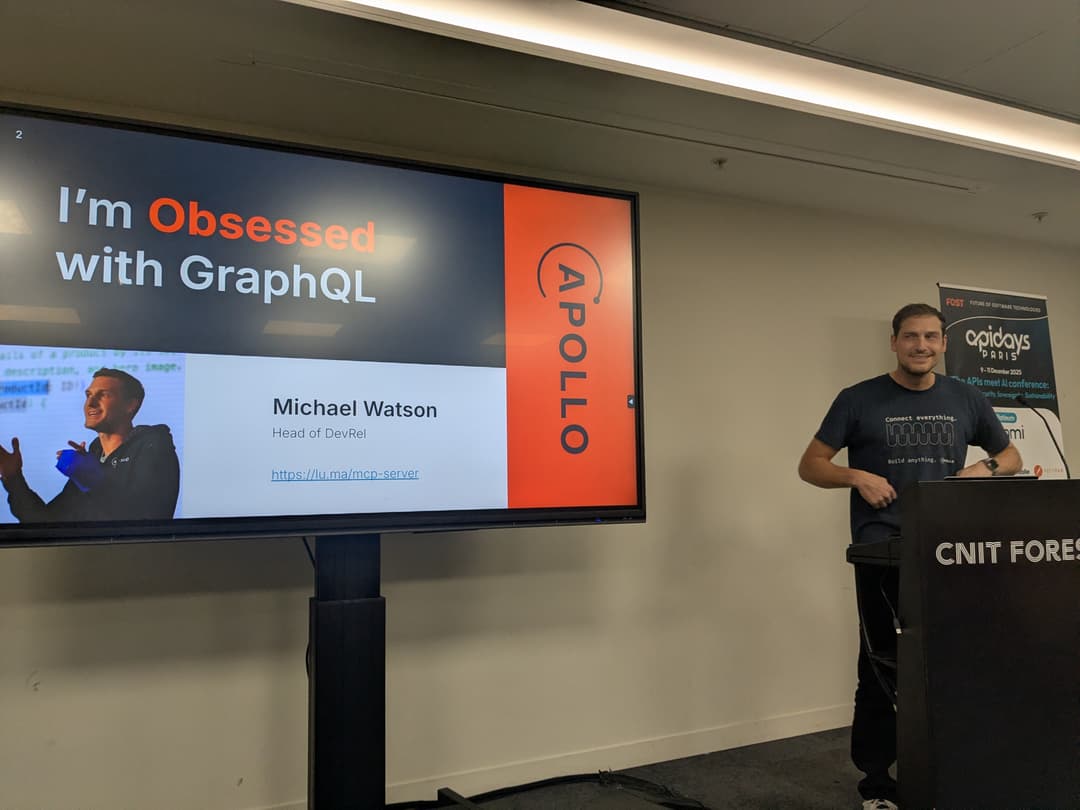
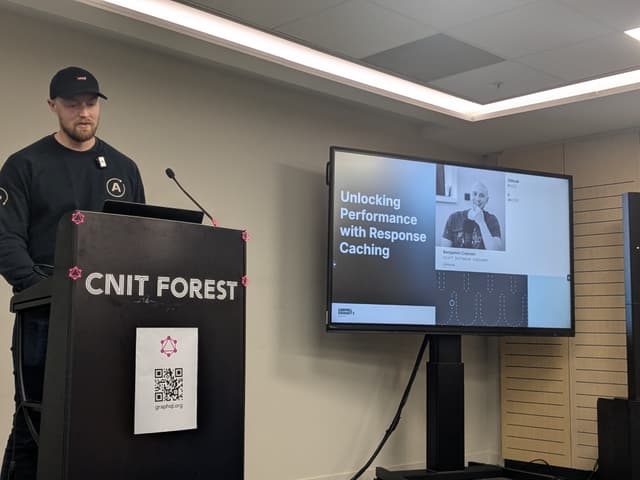
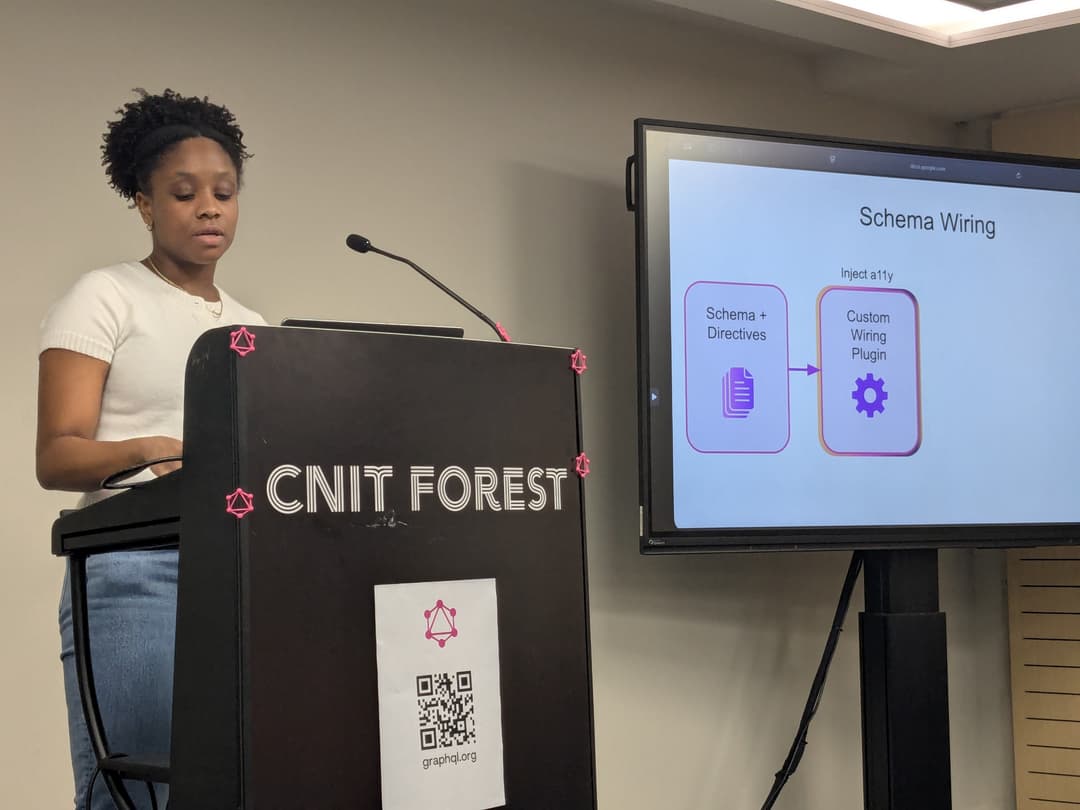
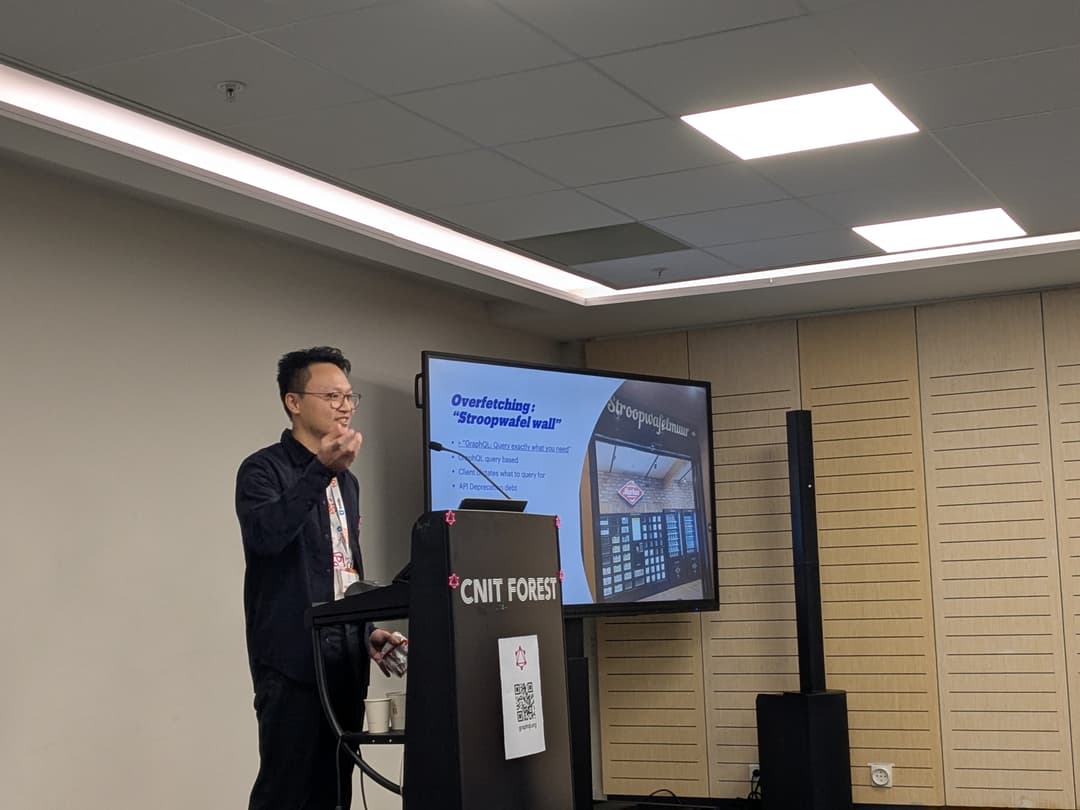
Photos from GraphQL Day Paris 2025.

All times in Eastern Daylight Time (EDT, UTC−4)
In 2015, we promised GraphQL would be “easy to learn and use.” Ten years, and hundreds of billions of daily API calls later, we’ve learned that not all our hopes and promises turned out to be true.
After eleven years as an open source technology, GraphQL has never had a more favorable learning curve. Clearer mental models, better educational materials, and a deeper collective understanding of best practices have transformed the “wild west” of 2015 to a much more manageable landscape today.
Coding agents are reshaping how we build software. Implementing features, refactoring systems, and shipping changes at a pace unthinkable 6 months ago. But to be successful with agents you need the right feedback loop. One that guides your agent to success, not into the spiral of death.
Healthcare AI has a coverage problem. The 78-year-old Spanish-speaking grandmother with early dementia isn't downloading an app, typing into a chatbot, or navigating a patient portal. But she can answer a phone call, and she can have a conversation, if the system on the other end knows how to have one with her.
ClinicaMind, CEO
ClinicaMind, CEO
In my apidays Paris session last year, I introduced a “shift left” pattern for accessibility: attach accessibility metadata to GraphQL fields using lightweight directives, expose it through code generation, and let Android (Jetpack Compose), iOS (SwiftUI), and web clients map it into native accessibility semantics for consistent defaults.